Poppy Flower Clip Art Black: Graphics for Crafts & Digital Sellers
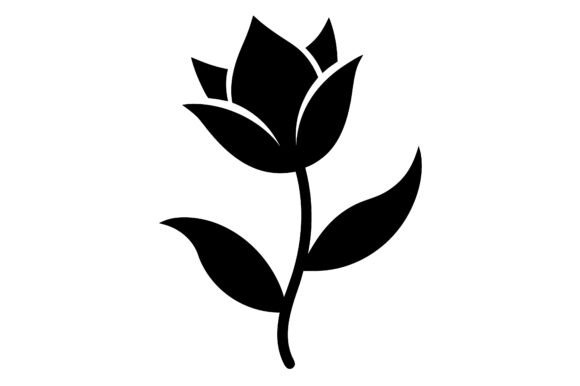
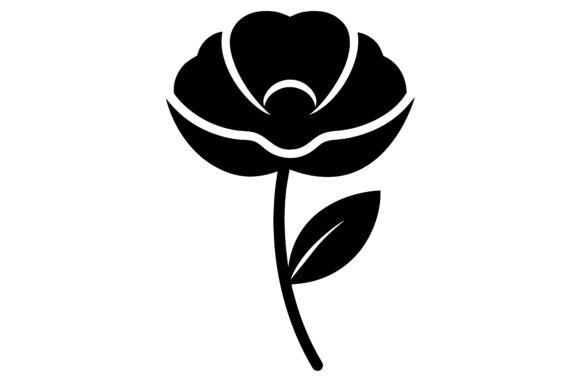
As someone who’s launched over 200 digital product listings across Etsy, Creative Fabrica, and Shopify—and shipped thousands of print-on-demand items—I opened Poppy Flower Clip Art Black expecting simplicity. What I found was a quietly effective graphic design asset: clean black silhouette vector illustrations of poppies on crisp white backgrounds. No gradients, no shadows, no texture overlays—just confident, scalable outlines with botanical character. It reads as elegant but not fussy, timeless but not dated, feminine without leaning into cliché. That balance makes it unusually versatile for commercial design work.
This isn’t “cute” clipart or maximalist floral art. It’s restrained. The petals have gentle asymmetry, the stems carry subtle weight, and the negative space breathes—critical when you’re building visual hierarchy in Canva templates or t-shirt designs. For small business branding, that restraint translates to perceived professionalism. Buyers browsing seasonal bundles or printable wall art collections respond to cohesion, not clutter. Poppy Flower Clip Art Black fits naturally into spring launches, memorial-themed products, botanical stationery lines, or even minimalist nursery prints—without needing heavy editing.
In real product-building scenarios, I tested it across six high-performing categories:
- SVG design for Cricut and Silhouette users: Cut lines are smooth and closed—no stray anchor points. Works flawlessly for iron-on transfers, vinyl decals, and layered paper crafts.
- PNG design with transparent background: Crisp at 300 DPI, ideal for planner stickers, greeting card layers, and social media graphics where clean layering matters.
- Sublimation design: Holds detail well on ceramic mugs and polyester tote bags—even at medium sizes—thanks to bold, unbroken outlines.
- Printable design: Scales beautifully from 4×6” greeting cards to 24×36” wall art. Paired with a serif font like Playfair Display, it reads premium; with a friendly sans like Montserrat, it feels approachable.
- Canva template: Dropping it into editable layouts (invitations, blog banners, Instagram story frames) required zero cleanup—no jagged edges or fuzzy anti-aliasing.
- Digital download bundles: Bundled with coordinating leaves or geometric frames, it strengthens perceived value in craft-themed design assets.
Where Poppy Flower Clip Art Black elevates product presentation is in mockup consistency. I dropped it into three different mug mockups, two tumbler wraps, and a set of printable planner sticker sheets—all using the same color palette (deep burgundy, charcoal, cream). Instant cohesion. That kind of visual storytelling builds trust: customers recognize your shop’s aesthetic before reading a single word. Thumbnails also performed better than expected—its strong contrast and clear shape read instantly at 200px width, boosting click-through potential on Etsy search results.
It shines brightest in large-format applications: full-page printable art, SVG-based wall decals, sublimation-ready tumbler wraps, and themed digital paper packs. On social media promos, it adds quiet sophistication to product mockups without competing with text or branding. For creative marketplace listings—especially those targeting crafters and digital product creators—it signals quality before the buyer even checks file types or licensing details.
That said, use caution in these situations:
- Ultra-small sticker designs (under 0.75”): Fine petal details blur at tiny scale—better suited for medium-to-large die-cut stickers.
- Dark background layouts: While the PNG has transparency, the pure black silhouette loses impact against navy or charcoal unless you add a subtle drop shadow or stroke in post.
- Text-heavy Canva templates: Its elegance works best when given breathing room—not crammed beside dense paragraphs or multi-line quotes.
- Crowded thumbnails: If your listing shows 12+ variations in one image, Poppy Flower Clip Art Black can visually recede. Prioritize it in hero shots instead.
Before publishing any product using Poppy Flower Clip Art Black, here’s my practical checklist—refined from years of trial and error:
- Test it on at least two real mockups (e.g., a mug + a printable PDF preview) to verify scale and proportion.
- Preview your final listing thumbnail at 200px wide—does the poppy remain legible and distinctive?
- Check how it renders on both white and dark backgrounds in your design software—transparency must be flawless.
- Run a test print on your target paper stock (especially for planner stickers or greeting cards) to confirm ink density and edge sharpness.
- Open the SVG in Inkscape or Illustrator—zoom to 800% and inspect cut paths for stray nodes or open curves.
- Verify resolution: All PNGs should be 300 DPI at minimum 2400px on longest side for print flexibility.
- Organize files clearly for buyers—label folders by format (SVG, PNG, EPS), not just “Poppy Flower Clip Art Black.”
- Pair it intentionally: try it with a delicate script font for invitations, a sturdy display font for t-shirt graphics, and a clean sans serif for packaging design.
- Confirm commercial license terms—this is non-negotiable. Reputable sellers include clear, plain-language terms covering digital download, POD, and physical resale rights.
For Etsy sellers building a cohesive spring collection, print-on-demand entrepreneurs launching a botanical home goods line, or Canva template creators refreshing their invitation suite—Poppy Flower Clip Art Black delivers quiet reliability. It’s not flashy, but it’s functional. Not trendy, but enduring. As a graphic design asset, it supports brand identity without demanding attention. And in digital selling, that’s often the highest compliment: it helps your product—not the clipart—take center stage.