Pixel Art Emoji Icons: Graphics with Nostalgic Charm
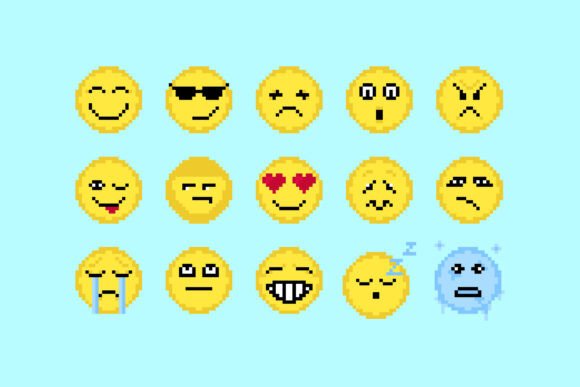
As a designer working on a small business branding project for a handmade boutique, I was immediately drawn to the Pixel Art Emoji Icons. This playful collection of 15 pixel art emoji icons, each designed in a nostalgic 8-bit style with bright colors and expressive charm, offers a unique visual language that can elevate a variety of creative design projects.
First Impressions: A Nostalgic Visual Language
The Pixel Art Emoji Icons immediately evoke a sense of fun and whimsy. The 8-bit aesthetic feels like a throwback to early video games, making it ideal for brands that want to tap into retro nostalgia or create a lighthearted, approachable image. The expressive faces and moods add personality, which is perfect for a handmade business looking to stand out in a crowded market.
This graphic design asset fits well with projects that aim to communicate joy, playfulness, or a connection to childhood memories. It’s not just a set of icons—it's a visual mood booster that can bring warmth and character to any design.
Real-World Design Applications
When working on a seasonal campaign for a local event, I found that the Pixel Art Emoji Icons could be used effectively in multiple areas. From logo design to packaging design, these icons added a cohesive visual thread that tied together various elements of the brand identity.
In t-shirt design, the icons could be printed as a bold statement, while in sticker design, they could serve as decorative accents that catch the eye. For a digital product like an Etsy shop, these icons could be used in social media graphics, blog visuals, and even Canva templates to help users create cohesive marketing materials quickly.
The versatility of this design bundle makes it a valuable addition to any creative designer’s toolkit, especially when working on printable designs or print-on-demand products.
Best Uses: Where It Shines
The Pixel Art Emoji Icons excel in large layout areas where their vibrant colors and detailed expressions can really pop. They work well as hero graphics on websites, as part of product mockups, or as decorative accents in themed collections.
For a small business launching a new line of merchandise, these icons could be used in packaging design to add a playful touch that resonates with customers. In editorial design, they could serve as visual breaks or supporting brand elements that add energy and personality to the overall composition.
They also shine in social media posts and Pinterest pins, where their bold style can help content stand out in a crowded feed.
Caution Areas: When to Use With Care
While the Pixel Art Emoji Icons are great for many applications, there are situations where they may not be the best choice. In small sizes, the details can get lost, making them less effective as standalone elements.
In crowded layouts or on complex backgrounds, the bright colors might clash or become overwhelming. For minimalist branding or professional corporate materials, the 8-bit style may not align with the desired tone.
It’s important to consider how the icon set will fit within the overall visual hierarchy of a design. If the goal is to maintain a clean, modern design, these icons might need to be used sparingly or paired with more subdued elements.
Impact on Design Quality and Branding
Using the Pixel Art Emoji Icons can significantly impact the readability and emotional appeal of a design. Their expressive nature helps build a stronger connection with the audience, making the brand feel more relatable and engaging.
However, it’s crucial to ensure that the icons don’t interfere with the clarity of the message. In a design project, the visual hierarchy must remain intact, so the icons should complement rather than compete with other design elements.
For a handmade business or small business branding effort, these icons can add a layer of authenticity and charm that sets the brand apart from competitors. They contribute to a more polished and cohesive look, especially when used consistently across different platforms.
Practical Designer Notes
Before using the Pixel Art Emoji Icons for a client project, I always test them in black and white to see how they hold up without color. Checking contrast on light and dark backgrounds is essential, especially if the icons will be used in web design or digital ads.
Previewing the icons at both small and large sizes helps determine their effectiveness in different contexts. Placing them on real mockups gives a better sense of how they’ll look in actual use, whether it’s on a t-shirt, a mug, or a website.
Testing print quality is also important, especially if the design will be used in commercial design or print-on-demand products. Reviewing file formats and ensuring PNG transparency is correct helps avoid issues during production.
If the asset includes SVG or vector files, checking their editability is key for designers who want to customize the icons further. Comparing them with different font styles can also help determine how they integrate with text elements in a design.
Finally, confirming the commercial license before using the asset for a client or business project is a critical step. This ensures that the designer and client are fully protected and that the design can be used without legal concerns.
Conclusion: A Fun and Functional Asset
The Pixel Art Emoji Icons are more than just a set of icons—they’re a creative design tool that can add personality and visual interest to a wide range of projects. Whether you're working on a small business branding effort, a handmade product line, or a digital ad campaign, these icons offer a nostalgic, expressive style that can enhance the overall design.
With careful consideration of their placement and context, the Pixel Art Emoji Icons can be a valuable addition to any designer’s library, helping to create more engaging and memorable visual experiences for clients and audiences alike.