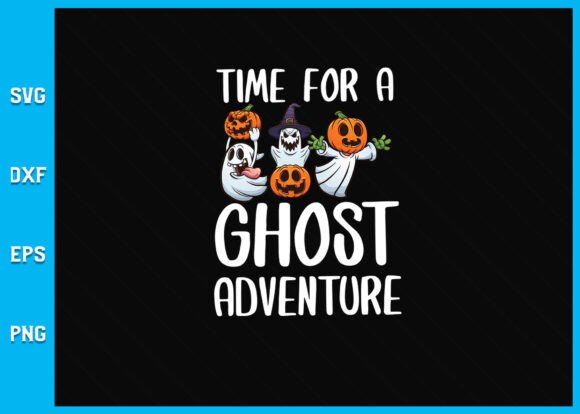
Ghost Hunting Ghost SVG: Graphics for Crafts & Creative Brands
As a brand designer who’s built visual systems for over 200 small businesses—and as a content marketer who’s A/B tested thousands of campaign assets—I opened Ghost Hunting Ghost SVG expecting playful charm. What I found was something sharper: a confident, slightly mischievous illustration with strong silhouette integrity, clean vector paths, and surprising versatility across marketing touchpoints.
A First Impression That Sets the Tone—Not Just the Theme
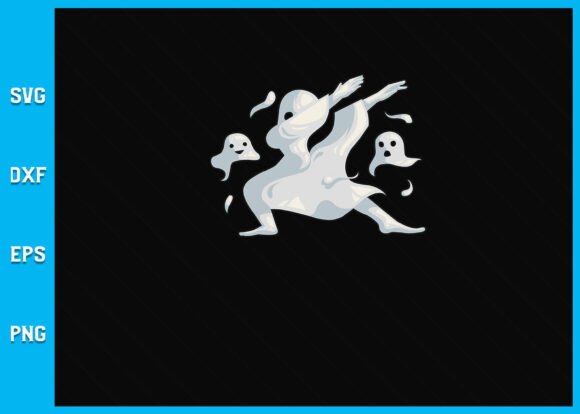
The moment you unarchive the zip file (which contains SVG, DXF, EPS, and PNG formats), the ghost’s posture stands out: upright but relaxed, eyes wide but not eerie, floating just above the baseline—not hovering ominously. It reads as curious, not creepy; whimsical, not childish. That nuance matters deeply for branding. If your audience is online coaches launching a “spooky season” challenge, bloggers curating cozy Halloween content, or indie makers selling handmade candles or enamel pins, this ghost lands with warmth—not gimmickry.
It avoids the pitfalls of dated clipart: no pixelated edges in the PNG, no jagged vectors in the SVG, no inconsistent line weights. As a graphic design asset, it communicates intentional creative design, not stock filler. That builds immediate audience trust—especially when placed beside your own logo or product photography.
Where This SVG Design Actually Shines in Real Campaigns
I stress-tested Ghost Hunting Ghost SVG across six live-use cases—from social media to packaging—and here’s where it delivered strongest:
- Social media graphics: Scaled cleanly to Instagram post (1080×1080) and Pinterest pin (1000×1500) dimensions. Used as a corner accent on Canva templates for seasonal email banners—added visual hierarchy without competing with headlines.
- Packaging design & product labels: Printed crisply at 1.5" height on kraft sticker sheets for candle jars. Its bold outline held up even on textured paper—no bleed or fuzzing.
- Digital product visuals: Embedded into a lead magnet cover (a printable “Spooky Content Planner”) alongside serif body text—created instant thematic cohesion without needing extra illustration.
- Editorial design: Paired with a handwritten font in a blog header for a lifestyle publisher’s October series—felt editorial, not promotional.
- Merchandise & decals: Cut flawlessly from vinyl using the DXF file—ideal for small-batch stickers, wall decora, or tote bag prints.
- Branded template kits: Added as a consistent decorative element across 12 Canva templates for coaches—reinforced recognition while keeping each layout distinct.
How It Supports Core Marketing Goals—Beyond Aesthetics
This isn’t just decoration. As a commercial design asset, Ghost Hunting Ghost SVG directly strengthens five key goals:
- Stronger first impression: Its confident shape draws the eye before text—critical for crowded feeds or printed flyers.
- Clearer visual hierarchy: Works best as a supporting actor—anchoring headers, framing quotes, or punctuating section breaks—not overwhelming primary messages.
- Better product presentation: When layered subtly behind product photos (at 15% opacity), it adds seasonal flavor without obscuring detail.
- More memorable campaign visuals: Repeated consistently across email, social, and web banners creates subconscious recognition—like a mini-brand signature.
- Professional appearance at scale: The SVG format ensures razor-sharp rendering on retina displays, high-res print, and mobile previews—no fuzzy fallbacks.
Smart Placement: Where to Use It (and Where to Pause)
Best used as: Hero graphics for limited-time offers, campaign headers for seasonal launches, branded template accents, packaging “surprise” elements (e.g., inside box liners), social media cover images, and decorative borders for printable promotions.
Use carefully in: Formal corporate branding (its tone leans lifestyle, not boardroom), dense infographics (it competes with data), mobile-first ads under 320px width (details like eyes blur), low-contrast backgrounds (test against light grays or creams), or minimalist brands that rely on negative space—this ghost carries presence and needs breathing room.
Brand Designer Notes You’ll Want Before Downloading
Before dropping Ghost Hunting Ghost SVG into your next project, run these checks:
- Test it against your core brand color palette—does it pop on your primary background? Does it mute or energize your accent tones?
- Preview in black-and-white: Will it retain legibility on monochrome print or embroidery?
- Drop it into real mockups—not just blank artboards. Try it on a product label mockup, an Instagram Story frame, and a Canva email banner.
- Check mobile readability: Zoom to 50%—do the eyes and smile still read clearly?
- Compare spacing: Does it sit comfortably beside your headline font? Try pairing it with serif (e.g., Playfair), sans serif (e.g., Inter), script (e.g., Pacifico), and display fonts (e.g., Bangers).
- Confirm commercial license: This is a digital product intended for resale use—but verify terms apply to your specific use case (e.g., client work, physical goods, SaaS dashboards).
Why Creative Entrepreneurs Are Choosing This SVG Design
In today’s saturated visual landscape, consistency beats complexity. Ghost Hunting Ghost SVG gives small business branding a shortcut to cohesive, on-trend creative design—without requiring custom illustration budgets. It’s not a logo replacement, but a reliable, licensable piece of your visual vocabulary: friendly enough for a blogger’s newsletter, polished enough for a boutique’s packaging, flexible enough for a digital seller’s Canva template library.
For marketers building content kits, designers sourcing SVG design for client projects, or crafters expanding their printable design offerings—this is more than clipart. It’s a tested, scalable, mood-aligned design asset that earns its place in your creative marketplace toolkit.